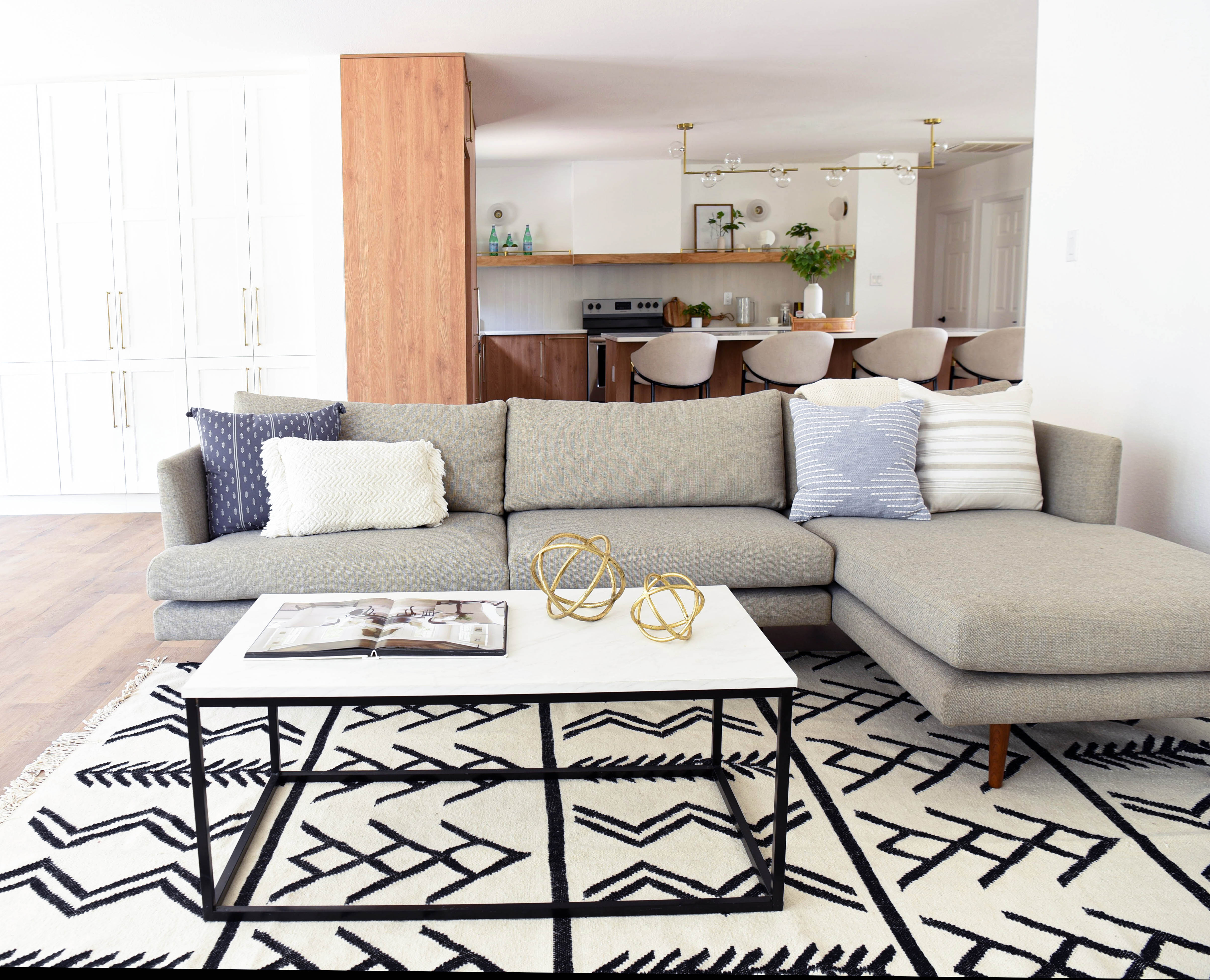
Start by anchoring one focal point such as a window wall, fireplace, or media wall. This creates a clear orientation so the room feels intentional instead of random.
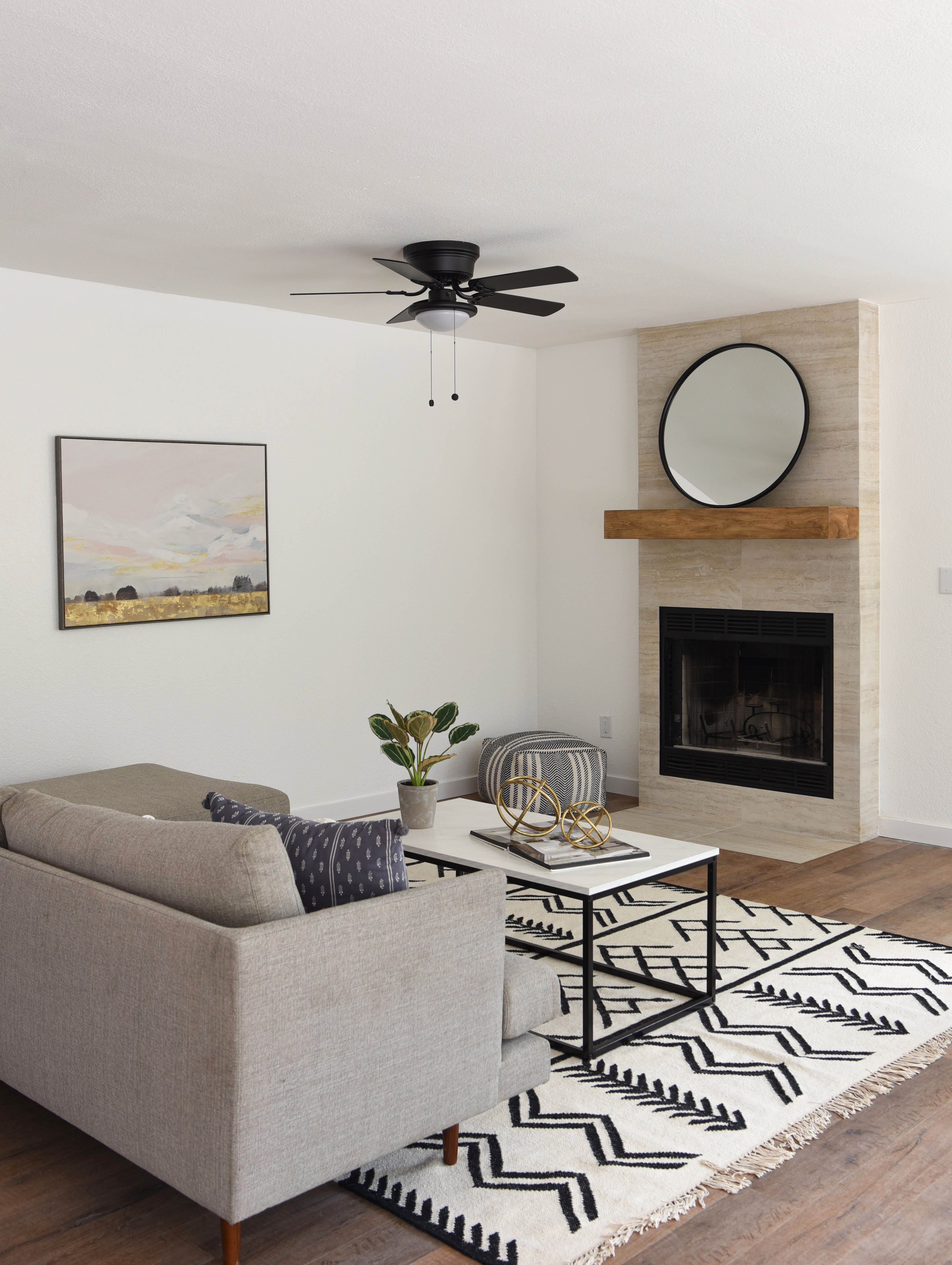
Map walking lanes before moving furniture. Keep major paths around 30 to 36 inches wide so people can move comfortably between doors and seating.
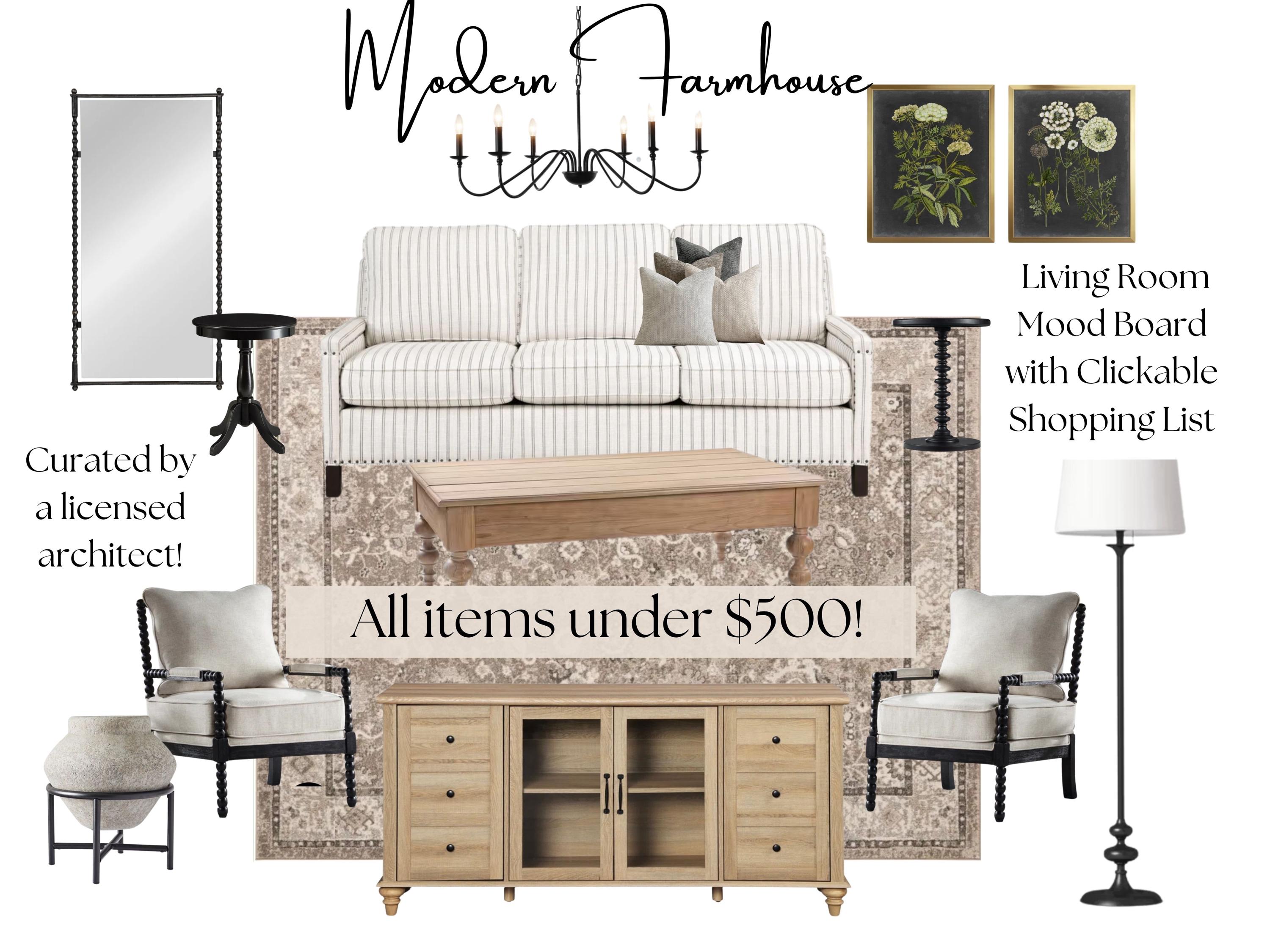
Group seating by conversation distance. Most sofas and accent chairs feel best with roughly 6 to 8 feet between facing seats, with a table within easy reach.
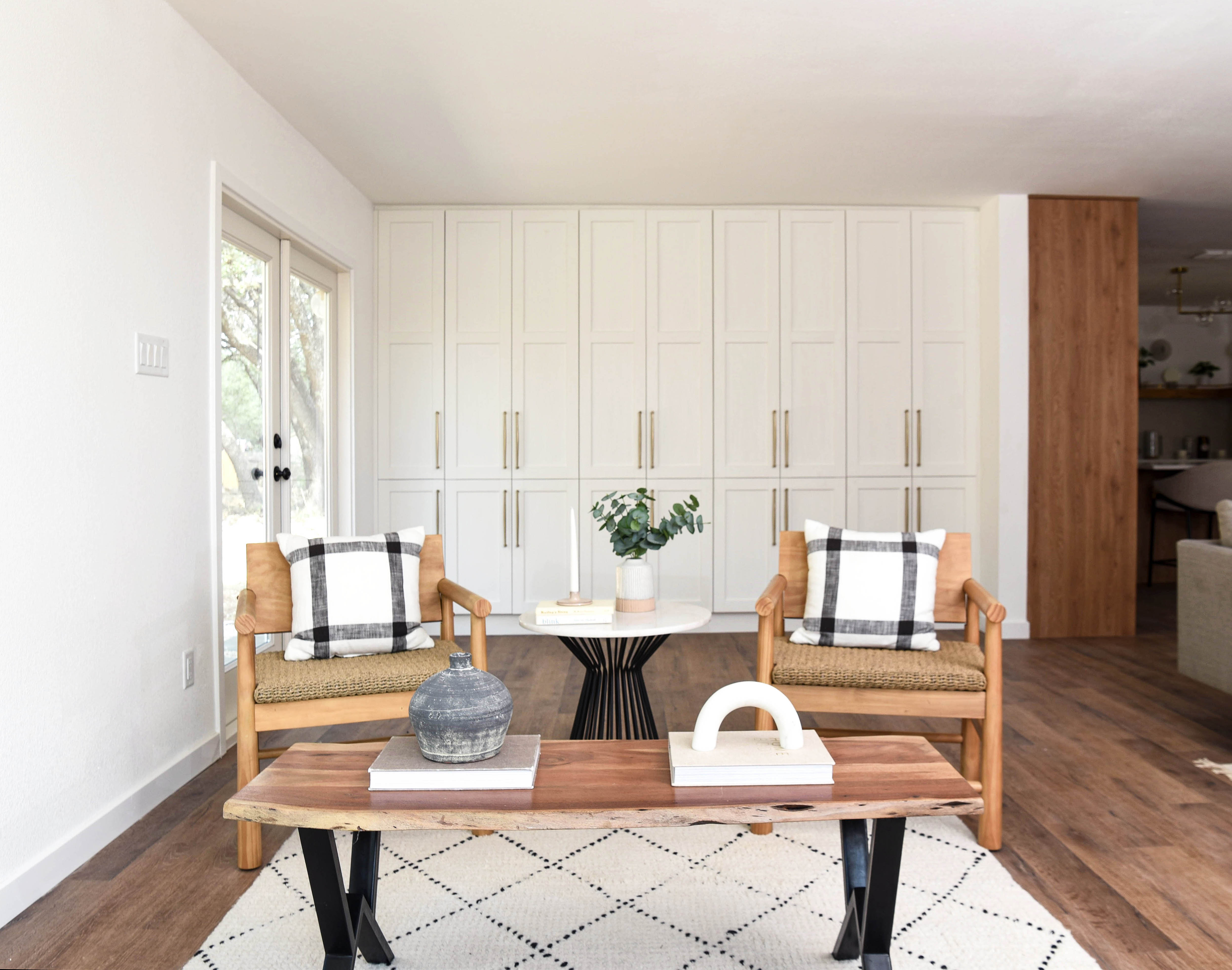
Size the rug to hold the arrangement together. At least the front legs of all main seating should sit on the rug, and in many rooms a larger rug makes the layout feel calmer.
Finish with one flexible piece like a pouf, nesting table, or movable lamp. This gives you day-to-day adaptability without redesigning the room each week.